Southwark Council has responded to the Environment Scrutiny Commission's Biodiversity Review, outlining its commitment to protecting and enhancing the borough's natural environment. The council continuously strives to improve their biodiversity monitoring, to ensure there is proper evidence to support decision making around ecology. Wherever possible they support residents and organizations to monitor nature across the borough. Officers have recently been allocated council funding to build recording capacity and skills amongst residents through training and activities.
The cabinet considered the commission's 34 recommendations, accepting 10 and partially accepting 24, during a meeting on 17 June 2025.
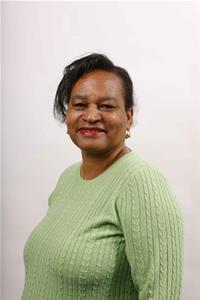
The review, completed by the Environment Scrutiny Commission the previous year, acknowledges the crucial role local authorities play in addressing the biodiversity crisis. Councillor Portia Mwangangye, Cabinet Member for Leisure, Parks and Young People, emphasised the council's long-standing recognition of the importance of biodiversity to the wellbeing of Southwark.
One of the key recommendations was the adoption of the Biodiversity COP 15 commitment, known as 30x30, which aims to protect and manage 30% of the world's land, fresh waters, and oceans by 2030. While the council agreed with the principle of aligning with international frameworks, it noted that achieving 30x30 in Southwark would require significant cross-departmental commitments and collaboration with external landowners. The council acknowledges that meeting the 30x30 target (protecting 30% of Southwark's land for nature by 2030) would require cross-departmental commitments and collaboration with external landowners. A scoping exercise will be conducted to determine the feasibility of meeting this target, considering competing demands for land. The council is currently undertaking a borough-wide ecological survey and review of Southwark's Sites of Importance for Nature Conservation (SINCs) with the possibility of increasing their size and number.
Another significant recommendation was the prioritisation of a Green Infrastructure Strategy to map out a coherent Ecological Network for Southwark. This strategy would map existing Sites of Importance for Nature Conservation (SINCs), identify opportunities to increase their size, and enhance connections between them. The council noted that ecological connectivity is already a priority in several policies, including the Southwark Plan and Climate Change Action Plan, and that a borough-wide ecological survey is underway to review SINCs and habitat opportunities. The borough-wide ecological survey will review Southwark's Sites of Importance for Nature Conservation (SINCs) and other habitat opportunities across the borough, with the possibility of increasing their size and number. The survey will also audit existing wildlife sites and identify and assess new sites for designation. The findings will inform the Green Infrastructure Strategy.
The council also addressed recommendations related to planning processes, including exploring methods to deliver biodiversity improvements beyond the minimum 10% Biodiversity Net Gain (BNG) specified in the Environment Act 2021. The council noted that the GLA sets out the Urban Green Factor (UGF) in Policy G5 Urban Greening of the London Plan and Urban Greening Factor London Plan Guidance, and that all local authorities will need to align with this guidance. For this reason, the recommendation was partially accepted. The council will explore methods of delivering biodiversity improvements through the Planning process, beyond the minimum 10% Biodiversity Net Gain (BNG) specified in the Environment Act 2021 when undertaking the 2027 review of the Southwark Plan and through Special Planning Documents (SPD). This should be combined with more ambitious Urban Greening Factor (UGF) targets. Improvements to both, taken together, are most likely to deliver better outcomes for biodiversity.

The council also highlighted its commitment to community engagement and volunteer management of nature. The council agreed to continue their work with the GLA and the community to identify land of current value for biodiversity or could potentially be enhanced for nature recovery, and so accepted this recommendation. The council strongly encourages community stewardship of green spaces and supports third sector partners wherever possible to facilitate this. For example, leases or management agreements are in place from large sites such as Sydenham Hill Woods to small sites such as Bellenden Road Nature Reserve, or areas within parks, such as in Shuttleworth Park.
Other recommendations addressed various aspects of biodiversity protection, including pesticide reduction, green roof installation, tree planting, and the management of blue habitats. The council strives to expand wetland habitat and building ponds wherever possible. However, any new freshwater habitats must consider long term sustainability, for example ensuring ponds aren't reliant on mains water connections, and management plans are in place. They are project partners on Froglife's 'London Blue Chain' project, which are supporting several new pond builds or restorations in Southwark. The council's responses to these recommendations reflect a commitment to enhancing biodiversity across the borough, while also acknowledging the need for further resources and collaboration to achieve these goals.
The Environment, Community Safety and Engagement Scrutiny Commission met on 16 July 2025 to discuss the cabinet's response to the Biodiversity Scrutiny Review, along with other matters such as a customer experience plan and Streets for People zoning consultation. Attendees included Councillor Esme Hicks, Councillor Graham Neale, and Councillor Portia Mwangangye. The agenda and public reports pack are available online.1