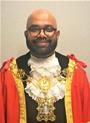
Tower Hamlets Council is set to review its strategy for tackling child poverty, following a motion proposed by Councillor Maium Talukdar and seconded by Councillor Sabina Akhtar at a recent council meeting.
The motion acknowledges the growing number of children living in poverty within the borough, with a disproportionate impact on young people from BME backgrounds. It also recognises the positive impact of existing measures, such as free school meals and investment in youth services.
The council has resolved to undertake a review of its child poverty strategy, establish a child poverty commission, and call on the national government to revoke the two-child benefit cap and increase Local Housing Rates.
The motion comes as the council recognises that 56% of children in Tower Hamlets are experiencing child poverty. The Public reports pack 16th-Jul-2025 19.00 Council.pdf notes that this equates to 20,000 children growing up in households with food insecurity, unstable housing and financial precarity.
The motion also recognises that thousands of children in Tower Hamlets live in overcrowded homes, and that in many instances, families are paying above 70% of their monthly incomes on rent in the Private Rented Sector, leaving little extra cash to spare on bills, food and other household and existential necessities.
The motion states that the lack of national support, such as the retention of the two-child benefit cap, has plunged thousands of children into poverty. In Tower Hamlets, 3,500 families live in poverty due to the retention of this policy. It also notes that this has a knock-on effect on educational attainment, health and wellbeing, job prospects, and the cyclical continuation of child poverty in future generations.
The council believes that the fact that most children in child poverty have two parents in work is an indictment of the cruelty of the modern socioeconomic system and reflects an environment in which hard work is not rewarded. It also believes that no child's future should be limited by poverty, and every child has the right to a decent start in life, and no child should be left behind due to economic hardship.
Despite record investment in child poverty reduction measures by this administration, the council believes that child poverty remains unacceptably high in Tower Hamlets. It also believes that a council-wide approach in combination with the national government and local partners is needed to alleviate child poverty.
The council is dedicated to building a child-friendly borough: a place where every policy, service, and public space is designed with children's well-being in mind, and where young people grow safe, healthy, and with bright futures and opportunities.
The council also recognises the need globally to support and protect children living under severe poverty and hardship, which was reflected in the borough's commitment to become a borough of sanctuary.
The council has resolved to undertake a wholesale review of the existing Council strategy addressing child poverty, and update it to reflect the current pressures and demands facing Tower Hamlets' families. This should produce a comprehensive action plan with measurable targets.
The council will also continue to build on the Tower Hamlets Children and Families Partnership Strategy, implementing its 8 ambitions, specifically ambition 7: Support families to be resilient in the cost of living and child poverty crisis
.
A child poverty commission will be established, composed of representatives from the council, experts, and relevant TH community and voluntary organisations to track and oversee child poverty alleviation measures.
The council will continue to support those families impacted by child poverty into sustainable employment, good quality housing, and ensure that they are healthy and receive a good education.
The council will call on national government to revoke the two-child benefit cap, which unfairly targets larger families and leads to increased deprivation and financial difficulties for millions – including 4,000 children in Tower Hamlets.
Finally, the council will call on national government to increase Local Housing Rates, which would support ordinary working families with the skyrocketing private rents they continue to face, and aspire to make Tower Hamlets a model borough for children to live in.