Haringey Council has approved an updated Damp and Mould Policy for its tenants, aiming to provide a clear and transparent framework for addressing these issues in council-owned properties. The policy, which comes into effect on February 3, 2026, sets out the council's approach to tenancy management and aims to meet the Social Housing Regulator's consumer standards.
The updated policy incorporates changes required by Awaab's Law, which legally mandates social landlords to investigate and fix damp and mould hazards within set timeframes. This legislation came into force on 27 October 2025, and the policy introduces new timescales for dealing with damp and mould. The council has adopted a zero-tolerance approach, emphasizing proactive identification, prevention, and resolution of damp and mould issues.
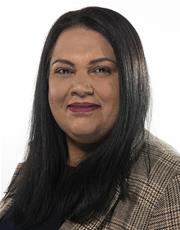
Councillor Sarah Williams, Cabinet Member for Housing and Planning, stated that no one should be living with damp and mould, calling it a basic social injustice that we want to bring to an end.
She added that the policy reflects the insights and experiences of residents, particularly through the Resident Voice Board and the Council's Residents' Repairs and Maintenance Continuous Improvement Group.
The policy outlines three stages for tackling damp and mould: prevention, identification, and treatment. It also details the council's responsibilities under various acts, including the Homes (Fitness for Human Habitation) Act 2018 and the Housing Health and Safety Rating System (HHSRS).
New Timescales and Awaab's Law Requirements
Under the updated policy, social landlords must address all emergency hazards and all damp and mould hazards that present a significant risk of harm to tenants within fixed timeframes. Emergency hazards must be addressed within 24 hours. Significant hazards must be investigated within 10 working days, with relevant safety work undertaken within 5 working days of the investigation concluding. If work cannot begin within 5 working days, it must start within 12 weeks. Furthermore, if relevant safety work cannot be completed within specified timeframes, suitable alternative accommodation must be provided.
Awaab's Law also mandates that by 2026, these requirements will expand to include excess cold and excess heat, falls, structural collapse, explosions, fire, electrical hazards, domestic and personal hygiene, and food safety hazards. In 2027, the requirements will extend to the remaining HHSRS hazards, excluding overcrowding.

Proactive Identification and Staff Training
To ensure proactive identification of damp and mould issues before they become significant problems, the council will adopt a data-driven, risk-based approach, reducing over-reliance on residents to report issues. This will be supported by annual rolling stock condition surveys, targeting 20% of the stock each year, ensuring data is never more than 5 years old. All officers will be equipped with the skills to identify early signs of damp and mould during visits, and technology such as smart thermostats will be utilized to identify properties at risk of condensation, damp, and mould.
To effectively implement the new policy, staff will receive sufficient training and possess the appropriate skills and equipment. Training has already been undertaken within the repairs team, with additional training planned. Awareness will be raised among all staff, including contact centre staff and those who visit tenants' homes, about the latest regulations to identify early signs of damp and mould and respond quickly. This training will cover Estates Services, Tenancy Management, Adult and Children's services, and other council teams. All staff visiting council homes will be able to identify signs of damp and mould and assist residents in reporting cases and accessing advice.
Performance Monitoring and Tenant Communication
The council will ensure consistent adherence to new timescales through performance monitoring and quality assurance. The Repairs Board will monitor performance against measures set by Awaab's Law. Key performance indicators (KPIs) will be reported and scrutinized by various teams and boards, including the Housing Services Management Team, the Council's Housing Board, the Council's Housing Improvement Board, the Housing, Planning and Development Scrutiny Panel, and the Residents Voice Board. Tenants will be kept updated throughout the process and provided with information on how to stay safe. Lessons learned from feedback, complaints, and Housing Ombudsman cases will be integrated into service improvements and training.

The full Damp and Mould Policy can be viewed here. Further details on the policy and its equality impact assessment are available here.
This article is based on information from the Cabinet Report - Adopting an updated Damp and Mould Policy.