Brent Council is set to review its International Partnerships Protocol following concerns raised during a recent council meeting, particularly regarding the potential impact of its twinning with Nablus, a town in the West Bank.
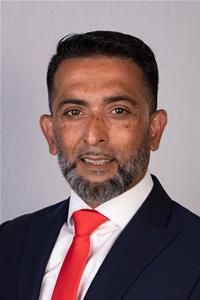
The decision comes after a motion was moved by Councillor Suresh Kansagra, Leader of the Conservative Group, calling for a consistent, fair, and inclusive process for all international partnerships undertaken by the council. The motion 09.1 Conservative Group Motion was prompted by concerns arising from the council's decision to twin with Nablus.
Councillor Muhammed Butt, Leader of the Council, proposed an amendment 09.1a Labour Group amendment to Conservative Group Motion to the motion, emphasising the council's commitment to equalities and community cohesion. The Labour amendment was carried, and the substantive motion, as amended, was then carried.
The original motion raised concerns that the partnership with Nablus may cause emotional harm to some Brent communities,
and may risk compounding anti-Semitism,
according to the council's own equalities impact assessment. The equalities impact assessment indicated that the twinning of Brent with Nablus 'may cause emotional harm to some groups in Brent', 'may risk compounding antisemitism', and 'may be viewed as demonstrating greater support for one group over another'. Councillor Kansagra questioned the council's mitigation plans for these risks and the criteria used for selecting Nablus as a partner, given safety concerns and travel restrictions.
Councillor Butt defended the twinning initiative, stating, The forthcoming twinning of Brent with Nablus is not about endorsing any religious belief or political ideology, nor is it the first and it will certainly not be the last twinning arrangements to be brought to this council.
He emphasised that the twinning arrangement would be subject to a live and continuous equalities impact assessment
.
To address concerns from community members who feel the Nablus partnership is harmful or divisive, the council has outlined several engagement strategies. These include meeting with representatives of Jewish community groups to hear their concerns directly, keeping the door open for a meeting with the petition group, ensuring the twinning arrangement will be subject to a live and continuous equalities impact assessment, putting the petitioner's concerns to the government to address if not already answered, and emphasizing that the twinning arrangement must be about peace, cultural exchange and mutual understanding.
The new International Partnerships Protocol is expected to establish clear expectations and safeguards for any future twinning arrangements, ensuring they promote peace, understanding, and constructive exchange, and do not undermine community cohesion or the council's values. The protocol allows for any arrangement to be reviewed or nulled if it fails to promote peace, understanding, and constructive exchange.