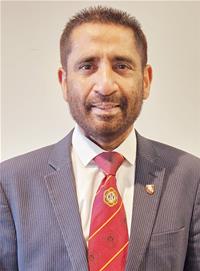
Harrow Council has formally opposed the UK government's proposed reforms to planning laws, with councillors arguing the changes would effectively abolish the vital role that planning committees play in offering transparency and accountability to our residents and businesses.
The council passed a motion on Thursday, July 2, 2026, stating that the reforms would undermine local democracy and transparency.
The government claims these reforms are necessary to help local authorities meet housing targets. However, research indicates that around a third of residential developments granted planning permission remain unbuilt, suggesting other factors are at play in housing delays.
Councillor Marilyn Ashton, who moved the motion, argued that the proposed changes would make planning decisions less transparent and could lead to disharmony between councillors and planning officers. The reforms would significantly alter the typical composition and function of planning committees, which are composed of locally elected members and are responsible for exerting democratic accountability and making final decisions on development applications.
Under the proposed reforms, the decision-making power of planning committees would be reduced. Only major applications of 10 units and above would be determined by the committee, and only with the agreement of the Chief Planning Officer (CPO). For Schedule One proposals, these will be determined by the planning committee. However, for Schedule Two proposals, Article 10 units and over, and other major proposals, there is an expectation that these will be determined by the CPO, unless the committee chairman calls them in. Critically, if the CPO does not agree with the chair, the application will not come to the committee.
Furthermore, the reforms would remove the ability for the nominated member of the second largest party to call in applications of concern, a move described as inherently undemocratic.
The enhanced powers granted to CPOs could also turn their position into a de facto political role
and lead to disharmony between councillors, administrations and their CPOs.
Councillor Stephen Greek stated that all that will be turned on its head,
and that residents come and have their say and raise concerns.
The motion asserts that Harrow residents deserve to have a say about development in our borough and should be represented in planning decisions by their elected councillors.
The motion, as amended, also called on the government to address the issue of unbuilt planning permissions and to focus on the underlying reasons for housing delays. An amendment, moved by Councillor Graham Hanson, which sought to ground the council's response in economic reality and structural solutions,
was carried. This amendment highlighted labour shortages in the construction industry and the need for more planning professionals. It also welcomed the government's investment in training new planning professionals and tradespeople, such as bricklayers and carpenters, through apprenticeship programs. Councillor Hanson's amendment also stressed the importance of respecting local sovereignty and local plans.
Residents and businesses in Harrow could face reduced transparency and accountability in planning decisions, potentially undermining local democracy and the voice of residents in development matters. The full details of the council's position can be found in the Public reports pack for Thursday, July 2, 2026. Public reports pack Thursday 02-Jul-2026 18.30 Council