Brent Council is facing escalating costs for temporary accommodation, with an anticipated expenditure of £38 million on nightly paid accommodation. This figure is expected to lead to a significant overspend, raising concerns among councillors about the financial management of housing the borough's homeless population.
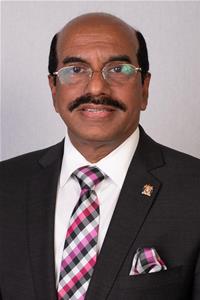
During a council meeting on Monday, 14 September 2026, Councillor Anup Patel of the Conservative Group highlighted the substantial financial burden, stating that the council's housing needs department had already received an additional budget growth of £8 million for the current financial year, yet was forecasting a further £9.5 million overspend in the first quarter alone.
Councillor Patel emphasised the need for clear targets and transparent reporting on temporary accommodation. We cannot simply keep on putting more money into the system without asking whether we are addressing the underlying cost pressures,
he said. He pointed out that Brent Council is sometimes forced to pay extortionate rates up to £300 a night
for accommodation, particularly during peak event days in Wembley. This surge in costs is exacerbated when Brent Council is buying accommodation in the same market as Wembley event days.
Councillor Patel called for a monthly temporary accommodation performance dashboard with measurable targets. He proposed that the dashboard should track: How many households are in temporary and nightly paid accommodation? What is it costing? How many families are moving into stable homes? What our targets are for reducing the reliance on this expensive accommodation? And whether the Council... [is] achieving reductions and savings as promised.
Supporting the motion, Councillor Jackson, who spoke from personal experience of homelessness, highlighted a significant subsidy gap
in housing benefit for temporary accommodation. He explained that the council can only claim back housing benefit at a 2011 rate, and only receives 90% of that amount. This creates an alarming subsidy gap right the way across the country with Councils picking up over 700 million of that subsidy gap.
The Local Government Association (LGA) has called for this amount to be updated to the most recent local housing allowance rate.
Councillor Louis also supported the motion, stressing the importance of preventative work and criticising the number of empty council properties. we need to talk about the number of properties in this borough, council properties, that remain empty for long periods of time that could otherwise have been used to house some of our most vulnerable families,
he stated. He cited a specific example in Sudbury, where a property has remained empty for over two years despite considerable expenditure. We need to be focusing on ensuring that all of our council properties are available, so that we can start to reduce the number of people in costly temporary accommodation.
Councillor Robert Johnson, Cabinet Member for Housing, Homelessness & Renters, acknowledged the concerns and stated that the council is already taking action. Brent has already implemented Adam Housing, a digital management platform designed to improve property management, payments, financial oversight, occupancy monitoring, and our ability to track performance.
The council is also increasing longer term leased accommodation, giving families greater stability and providing better value for the council than expensively nightly paid accommodation.
The council also has an active temporary accommodation reduction programme with work underway to increase move-ons into social housing, the private rented sector, and supported housing, alongside a continued focus on preventing homelessness.
Despite these efforts, the projected £38 million expenditure underscores the significant financial challenge Brent Council faces in providing temporary accommodation. The council's strategy for addressing underlying cost pressures includes the implementation of the digital management platform and increasing longer-term leased accommodation, aiming for greater stability for families and better value for the council. The exact timeline for these initiatives and their projected cost savings were not detailed in the meeting.

Further details on the council's financial management and housing strategies can be found in the Public reports pack from the council meeting on 14 September 2026.