Croydon Council's Health and Wellbeing Board has approved its annual report for 2025 and proposed updates to its terms of reference, aiming to strengthen neighbourhood health focus and partnership working.
The report, which covers the period from January to December 2025, highlights progress in mental health support, preventative measures for homelessness, and initiatives for older people. The Board's ambition is to create healthy, safe, and well-connected neighbourhoods and communities.

Preventative Measures for Homelessness
Croydon Council has developed a range of interventions to prevent homelessness. For example, it launched a free early intervention service to help private landlords address issues before they lead to eviction. This service aims to support landlords in keeping people in their homes, avoiding unnecessary eviction proceedings and costs, and reducing the impact of homelessness. However, the specific impact of these measures is not detailed in the report.
Initiatives for Older People
The report also details significant work undertaken for older people. An Older Peoples Working Group was established in March 2025, bringing together members from various health and social care settings, as well as the voluntary and community sector. This group aims to support enhanced joint working and consistency of support and care for older individuals and those at the end of life.
Progress has been made in delivering the SWL Frailty model of care, which includes increased support at A&E 'front doors' through a dedicated frailty team and same-day emergency care. This model aligns with neighbourhood working and involves upskilling health and care teams. Dedicated pathway coordination and intermediate care redesign contribute to more timely discharges and reduced pressure on urgent care services.
Furthermore, there is a focus on working with local communities around end-of-life discussions. The St Christopher's Community Action Team (CAT) has been engaged in targeted proactive work with the Croydon population experiencing health inequalities regarding death literacy. Up to Q3 of 25/26, 996 people have been impacted by this work, directly assisting individuals experiencing death, dying, and loss, and helping them deal with the consequences of poor experiences related to health inequalities. A pilot program has also been commissioned with St Christopher's to use Hospice Doulas in End-of-Life Care. Over a 15-month pilot period, Hospice Doulas supported 127 patients, conducting 347 face-to-face visits and 152 supportive telephone conversations, with a primary focus on supporting individuals living with inequity. Specific overall outcomes achieved by these initiatives are not detailed in the report.
Strengthening the Board's Focus
The updated terms of reference aim to align the Board's work with national NHS plans and neighbourhood health priorities. Key changes include the addition of a resident voice group and a primary care representative to the Board's membership.
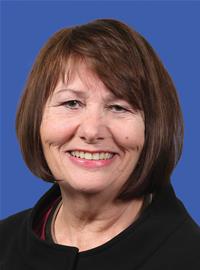
Councillor Yvette Hopley, Cabinet Member for Health and Adult Social Care and Chair of the Board, presented the report, stating that the Board's work has gone from strength to strength. She emphasised the Board's role as the glue that connects different parts of the system,
including the One Croydon Health and Care Board, the voluntary sector, and residents' voices.
The report also noted the vital support given by system partners and the ongoing work to update the joint strategic needs assessment to reflect the needs of Croydon's changing population.