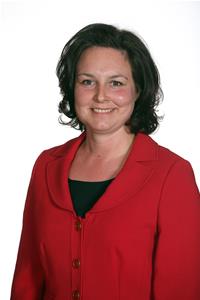
Referrals to Barnet's Domestic Abuse Support Hub (BDASH) have seen a significant increase of 24% over the past year, with self-referrals surging by 68%. This rise, noted at a Safer Communities Partnership Board meeting on Friday, September 18, 2026, indicates greater confidence in the service but also places considerable pressure on existing resources.
The overall 24% increase in referrals is attributed to improved identification of domestic abuse and increased confidence in the support services offered. We're confident that we're improving identification and support and confidence in our services,
stated Karen Popely, Interim Assistant Director of Children's Safeguarding, who presented the findings.

The 68% surge in self-referrals is particularly notable and is attributed to the introduction of online referral pathways. This suggests survivors feel more empowered and confident to seek help directly.
Demand has also risen across MARAC (Multi-Agency Risk Assessment Conference), housing, and the One Stop Shop services, which meets every Thursday at Colindale. Despite these pressures, the overall trend suggests improved identification of domestic abuse and greater trust in the support services available.
However, the increased demand is placing considerable pressure on existing resources. Ms Popely highlighted that sustaining capacity across advocacy, accommodation, safeguarding and recovery services do remain a challenge.
While the increased demand is positive and an indicator that victims are seeking support earlier, maintaining adequate capacity is a key concern.

The meeting information also indicated that demand for refuge accommodation remains high, with occupancy rates at 96% for Barnet Refuge and 100% for Minerva House. While seven women and two children were admitted to refuge services and six women successfully moved on, these high occupancy rates point to a strain on accommodation capacity relative to demand. Specific staff numbers for BDASH were not detailed, but the report reiterates that sustaining capacity across advocacy, accommodation, safeguarding and recovery services do remain a challenge.
Strategies being considered to address these pressures include further work is required to improve engagement and completion rates and perpetrator programs in particular.
The report from the Safer Communities Partnership Board meeting can be found here.